Building AI Agents with LangGraph: A Comprehensive Guide
The field of artificial intelligence is continuously evolving, with AI agents becoming central to the automation of complex tasks across various domains. At the core of this evolution is LangGraph, a framework that turns the theoretical promise of AI agents into practical reality. By leveraging graph-based structures, LangGraph provides a dynamic and versatile platform for creating robust AI systems.
Understanding the LangGraph Framework
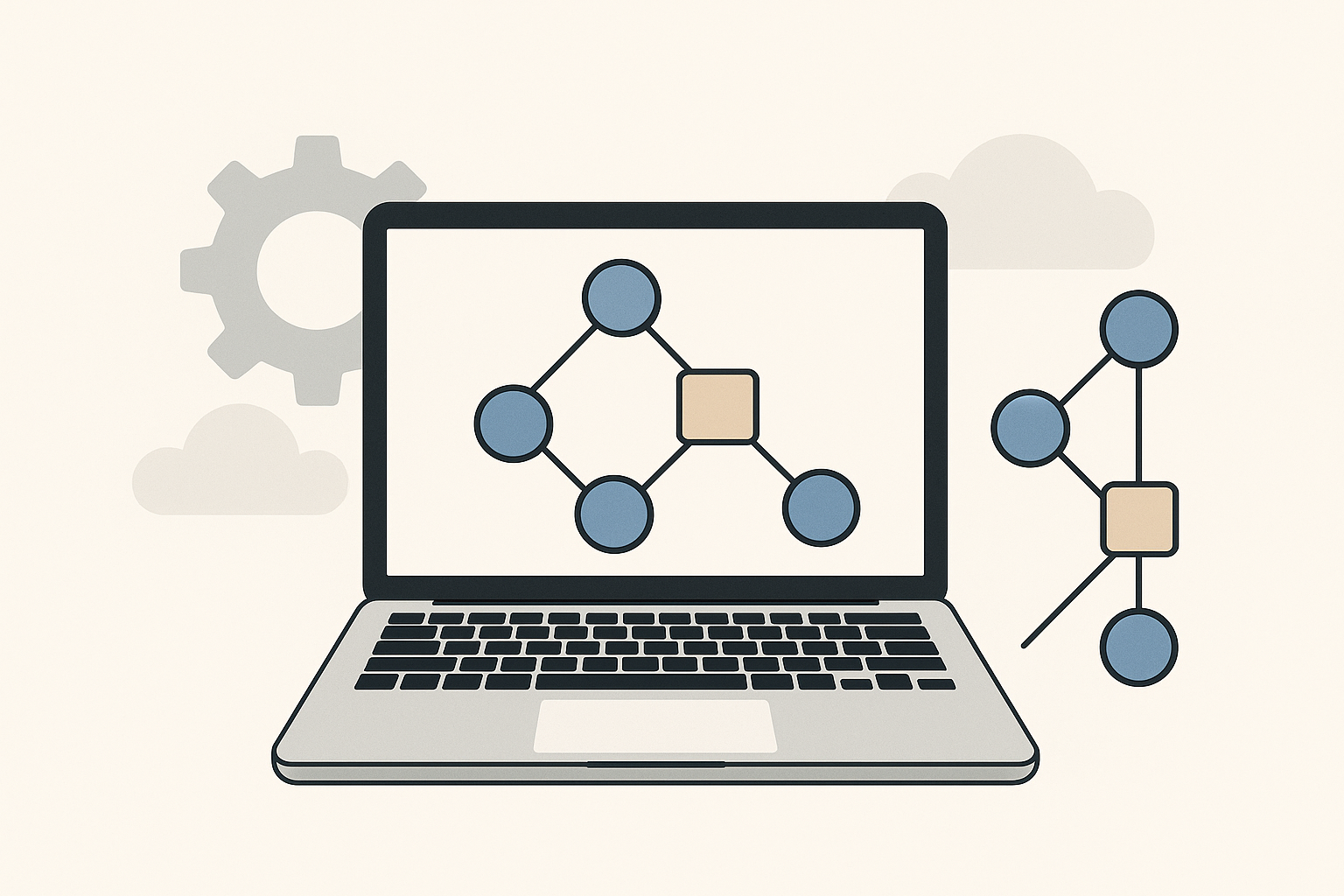
LangGraph stands out by utilizing graph-based structures, supporting both Directed Acyclic Graphs (DAGs) and cyclic graphs. This flexibility allows developers to design workflows that are far more adaptable and intricate than traditional linear pipelines. Supporting seamless tool integration, LangGraph is compatible with a variety of APIs and platforms, including OpenAI, which expands its capabilities for real-time data processing and integration.
LangGraph's unique approach to communication—relying on code rather than prompts—enhances the precision and reliability of AI operations. Additionally, the inherent self-documentation feature aids in maintaining transparency and simplifying the troubleshooting process.
Building an AI Agent with LangGraph
Creating an AI agent with LangGraph can be broken down into several steps:
-
Set Up the Environment: Begin by installing necessary packages and setting up your development environment to support LangGraph alongside LangChain and other required tools.
-
Design the Workflow: Use graph structures to map out the tasks your AI agent will perform. Decide whether your application will benefit more from a DAG or cyclic structure based on required task dependencies.
-
Integrate with APIs and Tools: LangGraph’s compatibility with various APIs allows your agent to access real-time data. Incorporate platforms like OpenAI or Vercel to extend the agent's capabilities.
-
Programming the Agent: Focus on encoding decision-making processes and communication protocols using code-based interactions to enhance operational reliability.
-
Testing and Documentation: Implement a robust testing regime to ensure agent reliability, followed by leveraging LangGraph’s self-documentation to keep track of actions and decisions for future reference.
Real-World Use Cases
LangGraph is adept at defining innovative solutions across mixed domains. Here are a few examples:
-
Weather-Savvy AI Agent: Integrating LangGraph with a weather API can facilitate real-time temperature updates, empowering applications in logistics and event management.
-
Energy Efficiency Assistant: An AI assistant could utilize LangGraph to calculate solar panel energy savings, proving invaluable in the energy sector.
-
Email Management Agent: Employ tools like Gmail within LangGraph's framework to build agents capable of secure email access and automated management.
Best Practices in Developing LangGraph Agents
-
Efficient Workflow Design: Identify and map out task dependencies clearly — choose DAGs for straightforward processes and cyclic graphs where iteration or feedback loops are needed.
-
Robust Integration: Utilize LangGraph's compatibility with multiple tools and platforms, selecting APIs that provide the most reliable data and functionality for your application.
-
Transparency through Documentation: Leverage the self-documenting capabilities to ensure clarity in the agent’s activities, providing a straightforward pathway for updates and troubleshooting.
Comparison and Future Prospects
LangGraph offers a competitive edge over other AI frameworks like Autogen and Crew AI, particularly in flexibility and ease of use. Its framework is positioned well to adapt to emerging trends, and potential future applications could further leverage the power of real-time data and complex decision-making.
Conclusion
LangGraph is paving the way for more sophisticated and adaptive AI agents. Its graph-based architecture and robust compatibility options mark a significant leap forward in AI agent development. Whether you're aiming to automate complex workflows or simplify processes in specific industries, LangGraph provides the tools necessary to push the boundaries of what's possible with AI. Start exploring today to unlock new potential with LangGraph in your projects.